


A new wave of mixed-use districts in South Florida are reshaping the region into more connected, pedestrian-friendly environments that blend dining, retail and culture in one place.

South Florida’s walkability has long been highly localized, largely relying on a car-centric infrastructure outside dense, urban cores. While Miami ranks as one of the most walkable U.S. cities, true walkable environments are mostly limited to specific areas like Brickell, South Beach and downtown hubs, often influenced by weather and amenity proximity.
However, South Florida might finally be having a true walkability moment. A new wave of mixed-use districts are reshaping the region into more connected, pedestrian-friendly environments that blend living, dining, retail and culture in one place, which prior to the recent development boom was hard to find.
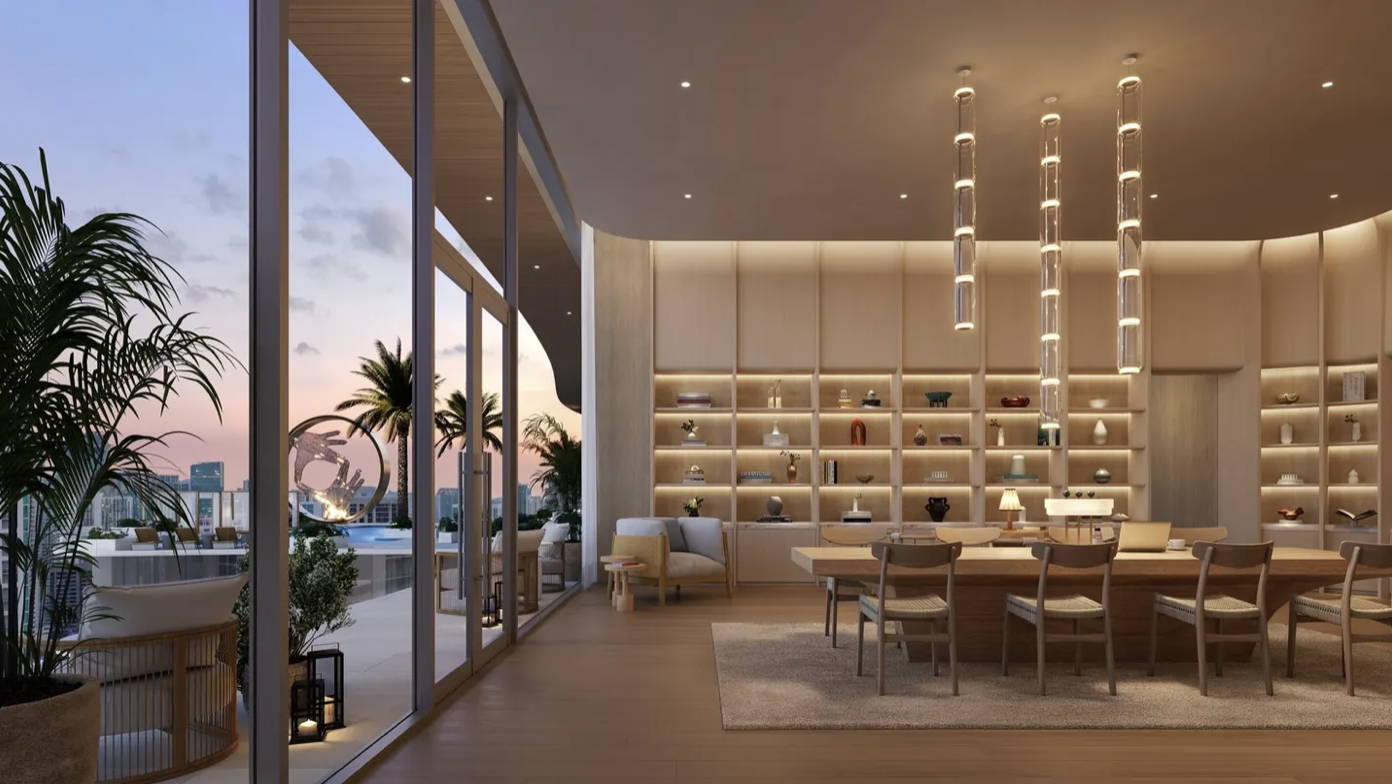

South Florida is entering a new era of walkability, driven by a growing recognition among developers that pedestrian-friendly design has long been a missing piece of the region’s otherwise exceptional lifestyle, and they are now responding by investing in projects that serve as places where people can live, work and socialize within the same area. Rather than building isolated developments, they are creating integrated districts with carefully curated ground-floor retail that features a mix of recognizable brands, local concepts and dining destinations to activate the street and make everyday life more convenient and engaging. There is also a strong emphasis on transit-oriented development, with many projects located near major transportation options like the Brightline, which connects key cities such as Miami, Fort Lauderdale and West Palm Beach. At the same time, the physical design of these neighborhoods is evolving to support a more pedestrian-friendly experience, with wider sidewalks, improved streetscapes and shaded walkways, becoming standard features, all contributing to more vibrant, accessible and livable communities.
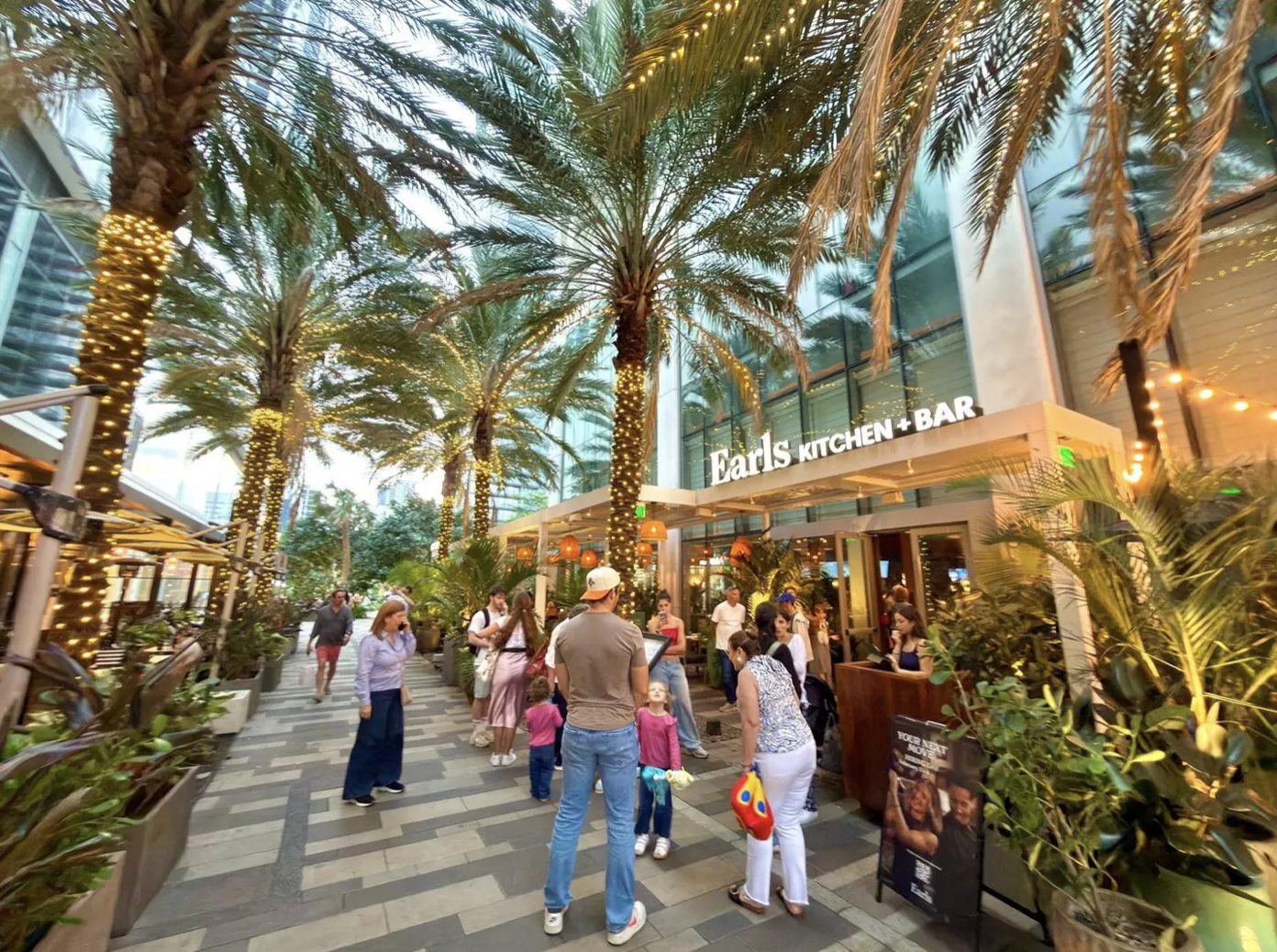
Miami Worldcenter is one of the most significant urban developments in the United States. Its importance lies not only in its scale, but in its intent to create a true city within a city, where residential, hospitality, retail and culture are integrated into a cohesive, walkable environment. By bringing real density and connectivity to Downtown Miami, it establishes the critical mass needed to fully activate the urban core and elevates Miami’s position as a leading global destination for both living and investment.

The Nora District is one of the most social and active pockets of West Palm Beach, with a steady energy that keeps people moving from morning through night. Along North Railroad Avenue, former industrial buildings have been restored and reimagined, blending original brick and warehouse character with clean, modern design. The layout, with shaded courtyards, cobblestone streets, outdoor seating and green space, encourages people to linger, meet up and explore. The mix of uses keeps it lively, from a class at solidcore to a treatment at Sana Skin Studio, then dinner at Del Mar or Julianna’s Pizza. It stays active during the day and builds into the evening, with a social atmosphere that feels natural and well-balanced.

Over the past decade, downtown Fort Lauderdale, particularly Las Olas, has evolved into one of the most genuinely walkable urban environments in South Florida. Defined by proximity, the district brings together residences, dining, retail and cultural anchors within a compact, pedestrian-friendly grid, all connected by shaded streets and a continuous waterfront along the Riverwalk. Here, daily life unfolds seamlessly, with errands, meals and leisure naturally blending within a few blocks. The transformation of Huizenga Park deepens that experience. Following a $15 million redesign, the 3.6-acre riverfront park has been reimagined as a series of outdoor “rooms,” with shaded lawns, a central event green, a children’s play mound, public art and one of downtown’s first dedicated dog runs. Positioned directly along the New River, it functions less as a standalone destination and more as a natural extension of the pedestrian network, drawing consistent foot traffic throughout the day with programming that ranges from yoga and markets to community events. The Riverwalk links key destinations, the Water Taxi extends the street grid onto the water and a growing dining scene recognized by the Michelin Guide creates a consistently active streetscape. Institutions like the NSU Art Museum Fort Lauderdale and the Museum of Discovery and Science are woven into that fabric rather than set apart. What defines Las Olas is not just its walkability, but how intuitive it feels to move through it. The scale, connectivity and waterfront setting create a district best experienced on foot where the city reveals itself gradually, block by block.
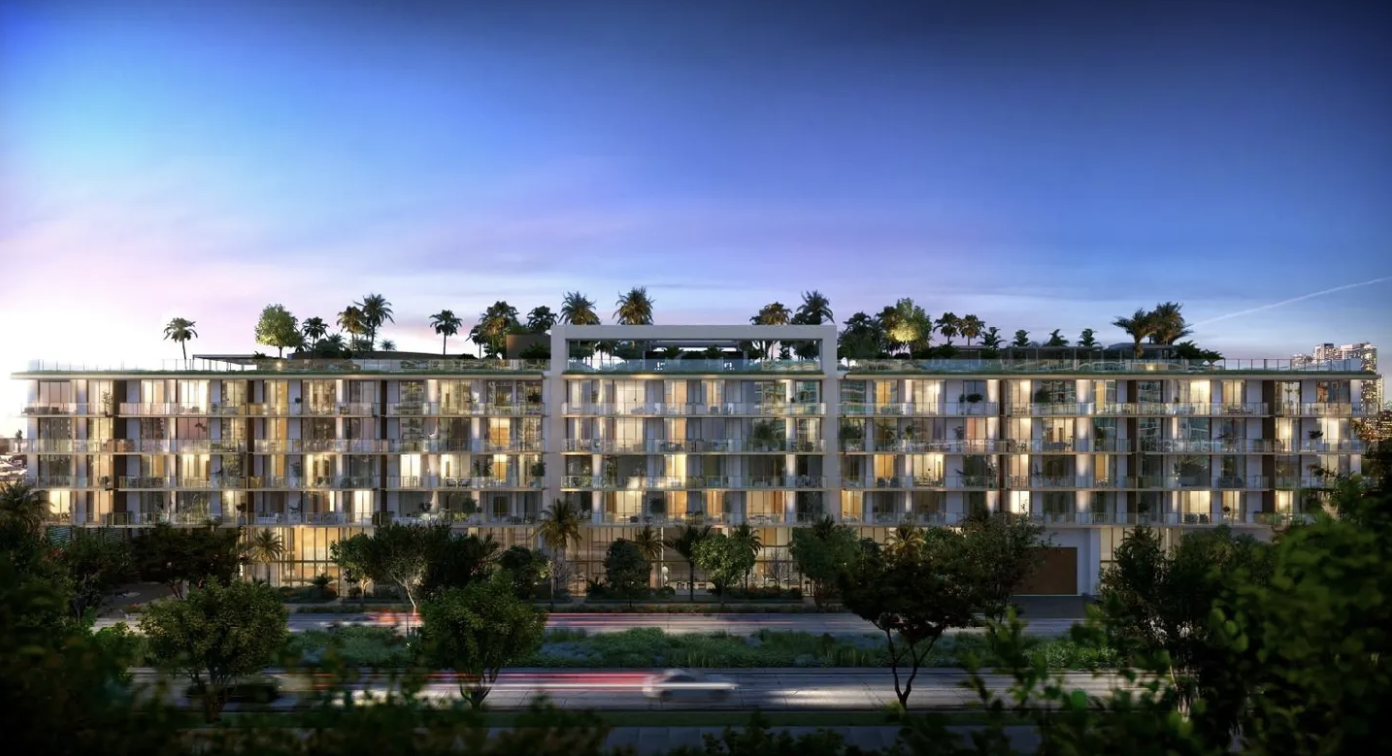
Often referred to as the “Manhattan of the South,” Brickell has rapidly evolved into one of the most walkable and self-contained neighborhoods in Miami, where daily life unfolds within a high-design, urban environment. A surge of residential towers, including new developments such as Aria Development Group’s 2200 Brickell, alongside corporate headquarters and hospitality-driven destinations, has transformed the district into a true live-work-play ecosystem, drawing professionals seeking a more connected, convenience-driven lifestyle. Within just a few blocks, residents can move from waterfront parks and cultural institutions like Pérez Art Museum Miami and Frost Science to high-end dining, shopping at Brickell City Centre and major transit hubs including Brightline and the Metromover. As Miami continues to expand outward, Brickell stands out for its ability to deliver connectivity and everyday convenience.